Unveiling Closet Dreams: 3000 Words on bedroom Closet Design Ideas
Your bedroom closet: it’s not just a storage space; it’s a sanctuary for your wardrobe, a reflection of your organizational style, and a key element in creating a serene and functional bedroom. Whether you’re dealing with a tiny reach-in or blessed with a sprawling walk-in, thoughtful design can transform your closet from a chaotic abyss into a well-organized haven. Let’s delve deep into a plethora of bedroom closet design ideas, catering to diverse needs and aesthetics.
I. Maximizing Space in Reach-In Closets
Reach-in closets, often found in older homes or smaller apartments, present unique challenges. However, with strategic planning, you can optimize every inch.
1. Vertical Organization: The Key to Reach-In Success
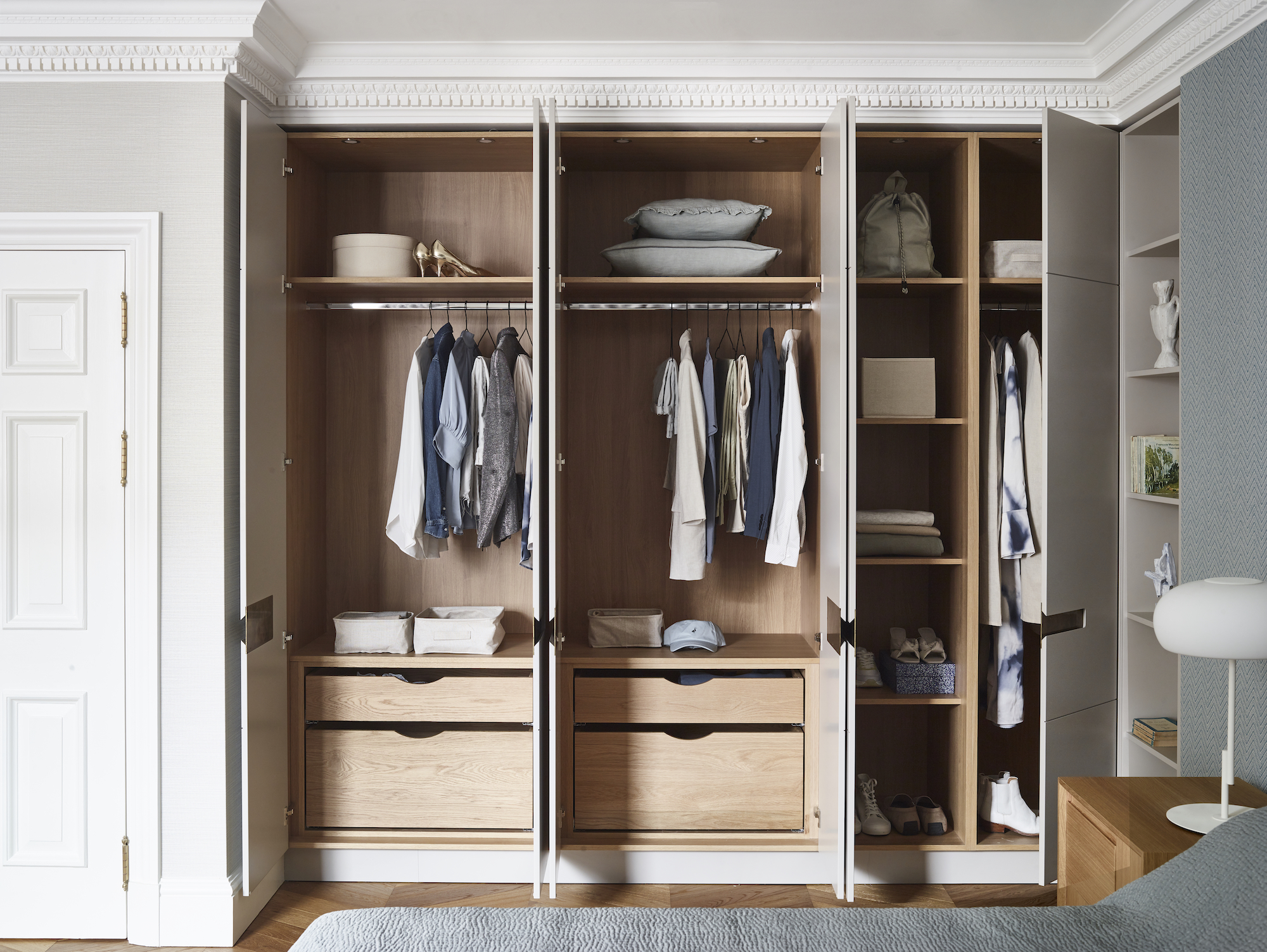
Small closet ideas: smart designs for bedrooms Homes & Gardens
Adjustable Shelving: Forget fixed shelves that waste space. Opt for adjustable shelving systems that allow you to customize shelf heights based on your items. This maximizes vertical space and prevents stacking.
Double Hanging Rods: Utilize the vertical space by installing double hanging rods. One rod can be placed higher for longer items like dresses and coats, while the lower rod accommodates shirts, skirts, and folded pants.
Shelf Dividers: Prevent piles of clothes from toppling over by using shelf dividers. They create neat compartments and keep items organized.
Over-the-Door Organizers: Don’t neglect the back of your closet door. Over-the-door organizers with pockets or shelves are perfect for storing shoes, accessories, or even small folded items.
2. Smart Storage Solutions for Reach-Ins
Pull-Out Baskets: These are ideal for storing folded clothes, linens, or even shoes. They provide easy access and prevent items from getting lost in the back of the closet.
Drawer Inserts: If your reach-in has drawers, use drawer inserts to organize smaller items like socks, underwear, and jewelry.
Slim Hangers: Switch to slim velvet or space-saving hangers to maximize hanging space. They take up less room than traditional plastic hangers.
Stackable Bins: Clear stackable bins are perfect for storing seasonal items or out-of-rotation clothing. They allow you to see what’s inside and keep items dust-free.
3. Lighting and Accessibility in Reach-Ins
LED Strip Lighting: Illuminate the depths of your closet with LED strip lighting. They’re energy-efficient and provide bright, even light.
Motion-Sensor Lights: For added convenience, install motion-sensor lights that turn on automatically when you open the closet door.
Pull-Down Hanging Rods: If you have high ceilings, consider installing a pull-down hanging rod to make it easier to reach items stored at the top.
Mirrors: Incorporate a full-length mirror inside or outside the closet door to make getting dressed easier and create the illusion of more space.
II. Transforming Walk-In Closets into Luxurious Spaces
Ideas for Designing the Closet of Your Dreams
Walk-in closets offer ample space, but they require careful planning to avoid becoming cluttered.
1. Custom Closet Systems: Tailored to Your Needs
Professional Design: Consider hiring a professional closet designer to create a custom system that maximizes your space and meets your specific needs.
Modular Systems: Modular closet systems offer flexibility and allow you to adjust the layout as your needs change.
Combination of Hanging, Shelving, and Drawers: Create a balanced system that includes a combination of hanging rods, shelving, drawers, and specialized storage solutions.
2. Specialized Storage for Walk-Ins
Shoe Racks and Shelves: Dedicate specific areas for shoe storage, whether it’s adjustable shelves, tiered racks, or cubbies.
Accessory Organization: Incorporate jewelry drawers with velvet inserts, tie and belt racks, and scarf organizers to keep accessories neatly stored.
Island or Peninsula: If space allows, add an island or peninsula with drawers and countertop space for folding clothes and packing.
Built-in Dresser: A built-in dresser within the closet provides additional drawer space and creates a cohesive look.
3. Creating a Luxurious Ambiance in Walk-Ins
Statement Lighting: Install a chandelier or pendant light to create a focal point and add a touch of elegance.
Seating Area: If you have the space, add a comfortable chair or ottoman to create a dedicated dressing area.
Full-Length Mirror with Lighting: A large, well-lit full-length mirror is essential for any walk-in closet.
Carpet or Rug: Add a soft rug or carpet to create a warm and inviting atmosphere.
Vanity Area: Consider adding a vanity area with a mirror and lighting for applying makeup or styling hair.
III. Closet Design Ideas for Specific Needs
1. Closets for Couples
Designated Zones: Create designated zones for each person’s clothing and accessories.
Shared vs. Separate Spaces: Decide whether you want to share certain areas, such as shoe storage or accessory organization.
Compromise on Design: Find a design that meets both of your needs and preferences.
2. Closets for Children
Adjustable Components: Choose adjustable shelving and hanging rods that can be moved as your child grows.
Labeled Bins and Baskets: Use labeled bins and baskets to make it easy for children to find their belongings.
Lower Hanging Rods: Install lower hanging rods that are within your child’s reach.
Fun and Colorful Design: Incorporate fun colors and patterns to create a playful and inviting space.
3. Closets for Seasonal Storage
Upper Shelves for Out-of-Season Items: Utilize upper shelves for storing out-of-season clothing, linens, and accessories.
Vacuum-Sealed Bags: Use vacuum-sealed bags to compress bulky items and save space.
Labeled Storage Bins: Label storage bins clearly so you can easily find what you need.
Rotating Storage: Implement a system for rotating seasonal items to keep your closet organized year-round.
IV. Style and Aesthetics in Closet Design
1. Color Palette
Neutral Colors: Neutral colors like white, gray, and beige create a clean and classic look.
Accent Colors: Add pops of color with accessories, drawer liners, or painted shelves.
Consider Your Bedroom Decor: Choose a color palette that complements your bedroom decor.
2. Materials and Finishes
Wood Finishes: Choose wood finishes that match your bedroom furniture.
Metal Accents: Incorporate metal accents like drawer pulls, handles, and hanging rods.
Glass Shelves and Doors: Glass shelves and doors add a touch of elegance and create a sense of openness.
3. Lighting Design
Ambient Lighting: Use ambient lighting to create a warm and inviting atmosphere.
Task Lighting: Install task lighting to illuminate specific areas, such as dressing areas or shelves.
Decorative Lighting: Add decorative lighting fixtures to create a focal point and add personality.
V. DIY vs. Professional Closet Design
1. DIY Closet Design
Pros: Cost-effective, allows for customization, and provides a sense of accomplishment.
Cons: Requires planning, time, and DIY skills, and may not achieve the same level of professional finish.
2. Professional Closet Design
Pros: Professional design and installation, maximizes space, and creates a polished look.
Cons: More expensive than DIY, and may require waiting for installation.
Conclusion
Your bedroom closet is a vital part of your home, and with thoughtful design, it can become a functional and stylish space that enhances your daily life. Whether you opt for a DIY approach or hire a professional, consider your specific needs, style preferences, and budget to create a closet that you’ll love for years to come. By implementing these design ideas, you can transform your closet from a source of stress into a source of serenity and organization.

:max_bytes(150000):strip_icc()/bymeghang_125527444_3586554884723669_4941468881190556539_n-09deb6db8edd4eb5af3871ee73d533ef.jpg "image.title")
:max_bytes(150000):strip_icc()/jessicanelsonsubwaytile-722c281ca95548f0a6275bf1f03152f7-a47170a417f44411b720f0b204df427b.jpg?resize=200,135&ssl=1 "Inspiring Bathroom Tub Shower Tile Ideas")


