Crafting Your Dream Closet: 3000 Words on bedroom Wardrobe Design Ideas
Your wardrobe isn’t just a place to store clothes; it’s a reflection of your style, a key organizer in your daily routine, and a significant element of your bedroom’s overall aesthetic. A well-designed wardrobe can transform your space from cluttered to chic, maximizing storage and streamlining your mornings. This comprehensive guide explores a myriad of bedroom wardrobe design ideas, catering to diverse needs and styles.
Understanding Your Needs and Space
Before diving into specific designs, it’s crucial to assess your needs and the available space. Consider:
Fitted Wardrobes Ideas Bedroom Ideas for Couples
Clothing Inventory: How many clothes, shoes, and accessories do you own? What types of items do you have (e.g., long dresses, bulky sweaters, numerous pairs of shoes)?
Space Constraints: What are the dimensions of your bedroom? Are there any architectural limitations, such as sloped ceilings or awkward corners?
Personal Style: Do you prefer a modern, minimalist look, a classic, traditional style, or something more eclectic?
Budget: Wardrobe designs range from simple and affordable to custom and luxurious. Set a realistic budget before you begin.
Types of Wardrobes: A Foundation for Design
Understanding the different types of wardrobes is the first step towards choosing the right design:
Built-in Wardrobes: Seamless Integration
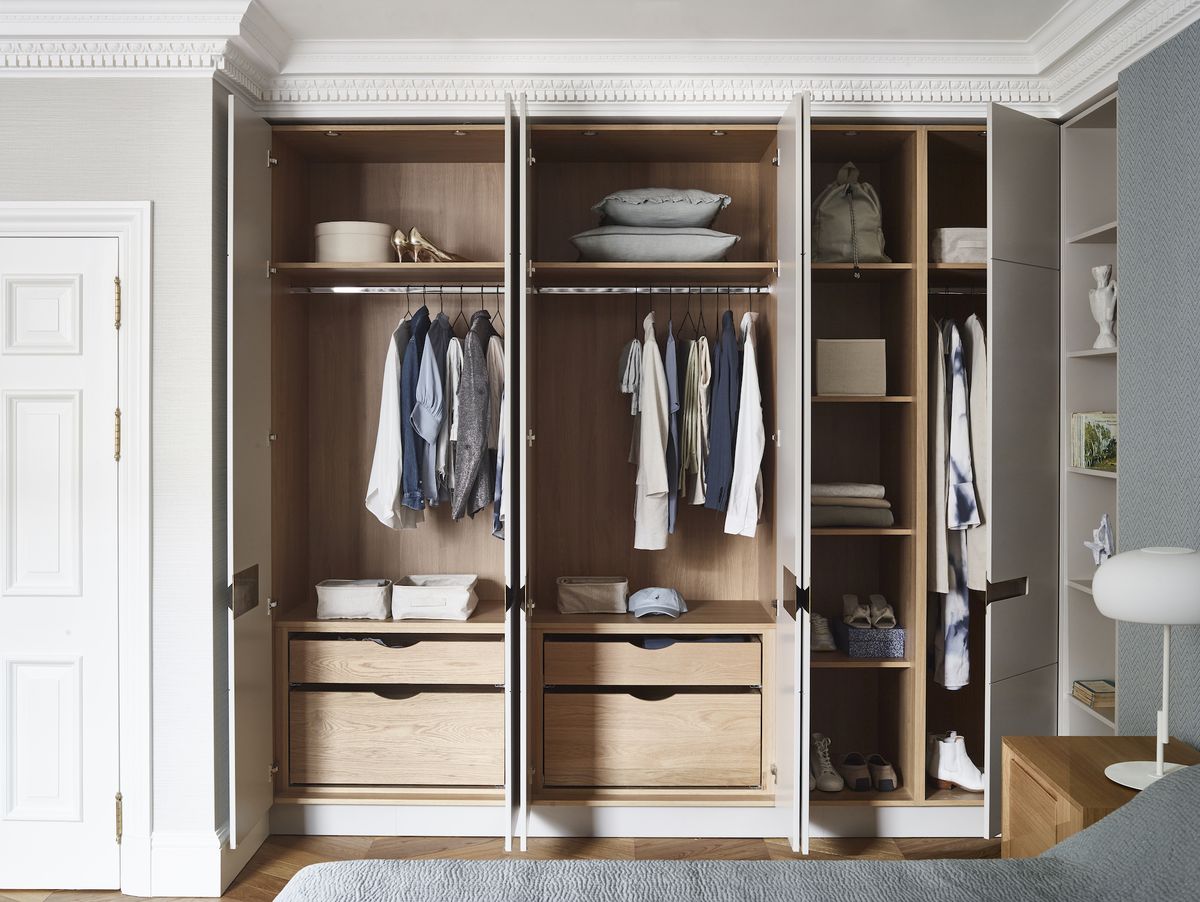
Built-in wardrobes, also known as fitted wardrobes, are custom-designed and installed to fit seamlessly into your bedroom. They maximize space utilization and create a polished, integrated look.
Small closet ideas: smart designs for bedrooms Homes & Gardens
Pros:
Optimizes space, especially in irregular rooms.
Creates a clean, cohesive aesthetic.
Can be tailored to specific storage needs.
Increases property value.
Cons:
Higher initial cost.
Requires professional installation.
Less flexibility for future rearrangement.
Freestanding Wardrobes: Versatility and Style
Freestanding wardrobes are independent units that can be moved and rearranged as needed. They offer versatility and come in a wide range of styles and sizes.
Pros:
More affordable than built-in wardrobes.
Easy to move and rearrange.
Available in diverse styles and finishes.
Simple installation.
Cons:
May not utilize space as efficiently as built-in wardrobes.
Can look less integrated in the room.
Walk-in Wardrobes: The Ultimate Luxury
Walk-in wardrobes are dedicated spaces for clothing and accessories, offering ample storage and a luxurious feel.
The interior design of your wardrobe is just as important as its exterior. Consider these elements:
Shelving and Drawers: Organized Storage
Adjustable Shelves: Allow for flexible storage of different items.
Pull-out Drawers: Ideal for storing folded clothes, accessories, and undergarments.
Divided Drawers: Help organize small items like jewelry and scarves.
Shoe Racks: Keep shoes organized and easily accessible.
Pull-out trouser racks: Prevents creases.
Hanging Space: Tailored to Your Needs
Long Hanging Space: For dresses, coats, and long garments.
Short Hanging Space: For shirts, skirts, and folded trousers.
Double Hanging Rods: Maximize vertical space for short garments.
Tie and Belt Racks: Keep accessories organized and visible.
Lighting: Illuminating Your Wardrobe
LED Strip Lighting: Provides bright, even illumination.
Motion-Activated Lights: Turn on automatically when you open the wardrobe.
Pendant Lights: Add a decorative touch to walk-in wardrobes.
Internal drawer lighting: makes seeing the contents easier.
Mirrors: Enhancing Functionality and Space
Full-Length Mirrors: Essential for checking outfits.
Integrated Mirror Doors: Save space and add a sleek look.
Pull-out Mirrors: Convenient for makeup and grooming.
Exterior Design Elements: Reflecting Your Style
The exterior of your wardrobe should complement your bedroom’s overall design. Consider these elements:
Door Styles: From Classic to Contemporary
Sliding Doors: Save space and create a sleek, modern look.
Hinged Doors: Offer traditional charm and full access to the wardrobe.
Bi-fold Doors: A versatile option for smaller spaces.
Glass Doors: Add a touch of elegance and allow you to see inside.
Materials and Finishes: Creating the Right Look
Wood Finishes: Oak, walnut, and maple offer warmth and natural beauty.
Painted Finishes: White, grey, and neutral tones create a clean, modern look.
Laminate Finishes: Durable and affordable, available in a wide range of colors and textures.
Mirror Finishes: Create a sense of space and reflect light.
Metal Accents: Handles and knobs in brass, chrome, or black add a touch of sophistication.
Handles and Knobs: The Finishing Touch
Minimalist Handles: Create a sleek, modern look.
Decorative Knobs: Add a touch of personality and style.
Long Bar Handles: Offer a contemporary and ergonomic grip.
Handleless Designs: Create a seamless, integrated look.
Specific Design Ideas for Different Bedroom Styles
Modern Minimalist Wardrobes: Clean Lines and Functionality
Sleek sliding doors with a matte finish.
Integrated LED lighting and handleless designs.
Neutral color palettes, such as white, grey, and black.
Simple internal shelving and pull out drawers.
Classic Traditional Wardrobes: Timeless Elegance
Hinged doors with raised panel details.
Rich wood finishes, such as oak or walnut.
Decorative knobs and handles in brass or antique finishes.
Internal shelving, drawers, and hanging space with classic detailing.
Rustic Farmhouse Wardrobes: Warm and Inviting
Barn door-style sliding doors with reclaimed wood finishes.
Exposed hardware and metal accents.
Natural wood interiors with open shelving.
Woven baskets for storage.
Bohemian Chic Wardrobes: Eclectic and Unique
Mix-and-match door styles and finishes.
Vintage or antique hardware.
Textured materials, such as rattan or woven fabrics.
Open shelving with decorative storage boxes.
Tips for Maximizing Space and Organization
Utilize Vertical Space: Install shelves and hanging rods at different heights.
Use Storage Bins and Boxes: Keep small items organized and contained.
Invest in Drawer Dividers: Prevent clutter and maximize drawer space.
Regularly Declutter: Donate or discard unwanted items to free up space.
Use the back of the door: Install hooks or shelving on the inside of the wardrobe doors.
Consider a dressing table inside a walk in wardrobe.
Conclusion: Creating Your Perfect Wardrobe
Designing your dream wardrobe is a personal journey that requires careful planning and consideration. By understanding your needs, exploring different design options, and incorporating organizational strategies, you can create a space that is both functional and beautiful. Whether you opt for a built-in masterpiece, a versatile freestanding unit, or a luxurious walk-in closet, your wardrobe should reflect your unique style and enhance your daily life.


:max_bytes(150000):strip_icc()/jessicanelsonsubwaytile-722c281ca95548f0a6275bf1f03152f7-a47170a417f44411b720f0b204df427b.jpg?resize=200,135&ssl=1 "Inspiring Bathroom Tub Shower Tile Ideas")


