Cultivating Abundance: Inexpensive Backyard Garden Ideas for Every Budget
Transforming your backyard into a thriving garden doesn’t require a fortune. With a little creativity and resourcefulness, you can cultivate a beautiful and productive space that brings joy and fresh produce to your table. This comprehensive guide explores numerous inexpensive backyard garden ideas, empowering you to create your own green oasis without breaking the bank.
1. Planning Your Garden: The Foundation of Success
Before diving into planting, a well-thought-out plan is crucial.
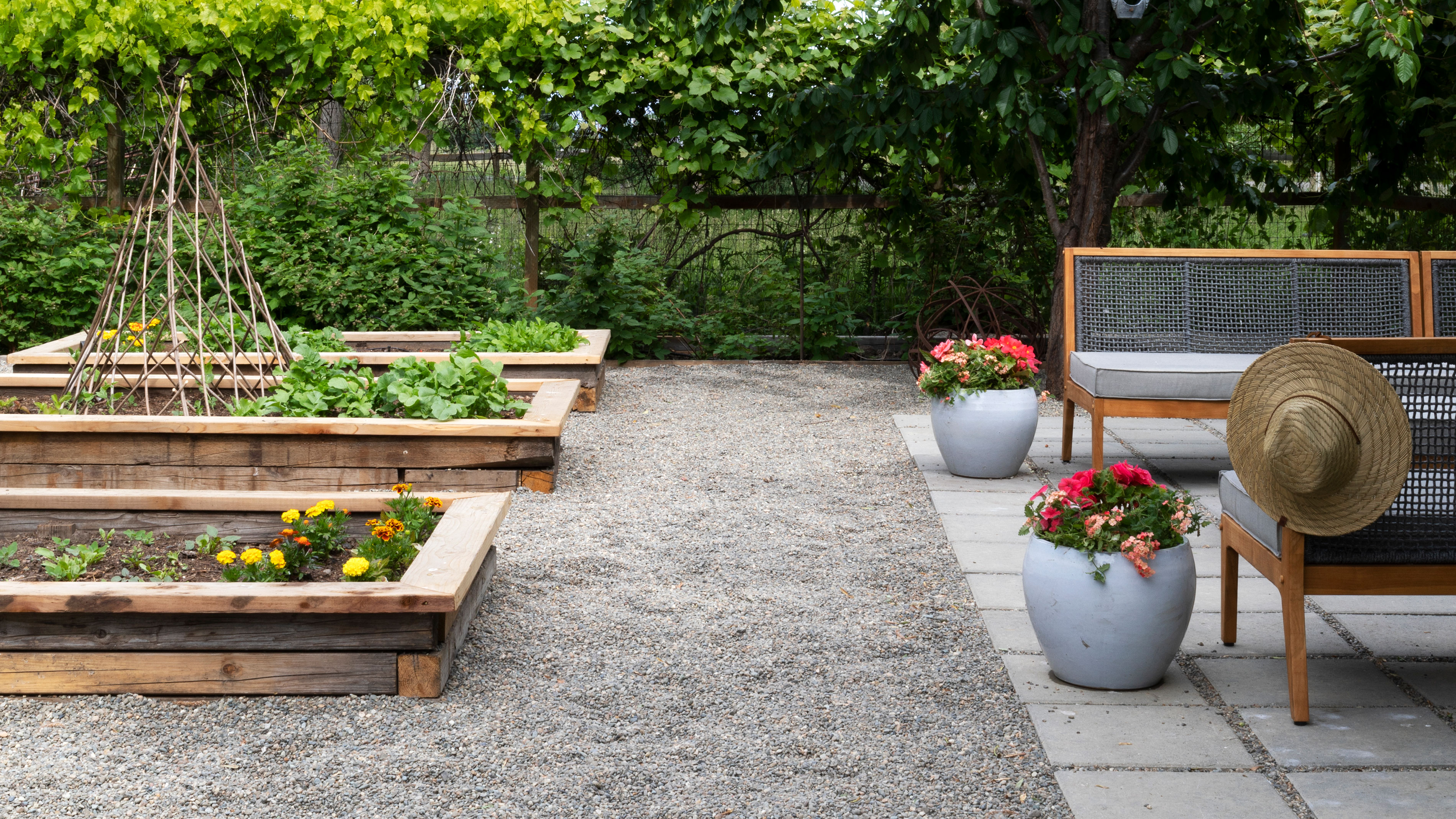
Backyard ideas on a budget: Create an outdoor retreat for less
Assess Your Space and Resources
Sunlight: Observe your backyard throughout the day to determine sun exposure. Different plants have varying sunlight requirements.
Soil: Test your soil’s pH and composition. Amend it with compost or other organic matter if necessary.
Water Source: Ensure easy access to a water source for irrigation.
Budget: Determine how much you can realistically spend.
Time Commitment: Consider how much time you can dedicate to gardening.
Choose Your Garden Style
Raised Beds: Ideal for poor soil or limited space. Use repurposed materials like pallets or cinder blocks.
Container Gardening: Perfect for patios, balconies, or small yards. Utilize recycled containers like buckets or plastic bottles.
In-Ground Gardening: Traditional and cost-effective, but requires good soil.
Vertical Gardening: Maximizes space by growing plants on walls or fences.
Budget Small Garden Ideas To Inspire Your Space Marshalls
Plan Your Plant Selection
Grow from Seeds: Seeds are significantly cheaper than seedlings.
Choose Fast-Growing Vegetables: Radishes, lettuce, and spinach provide quick harvests.
Select Perennial Plants: They return year after year, reducing annual costs.
Grow Herbs: Herbs like basil, mint, and rosemary are easy to grow and add flavor to meals.
2. Budget-Friendly Garden Construction
Building your garden doesn’t have to be expensive.
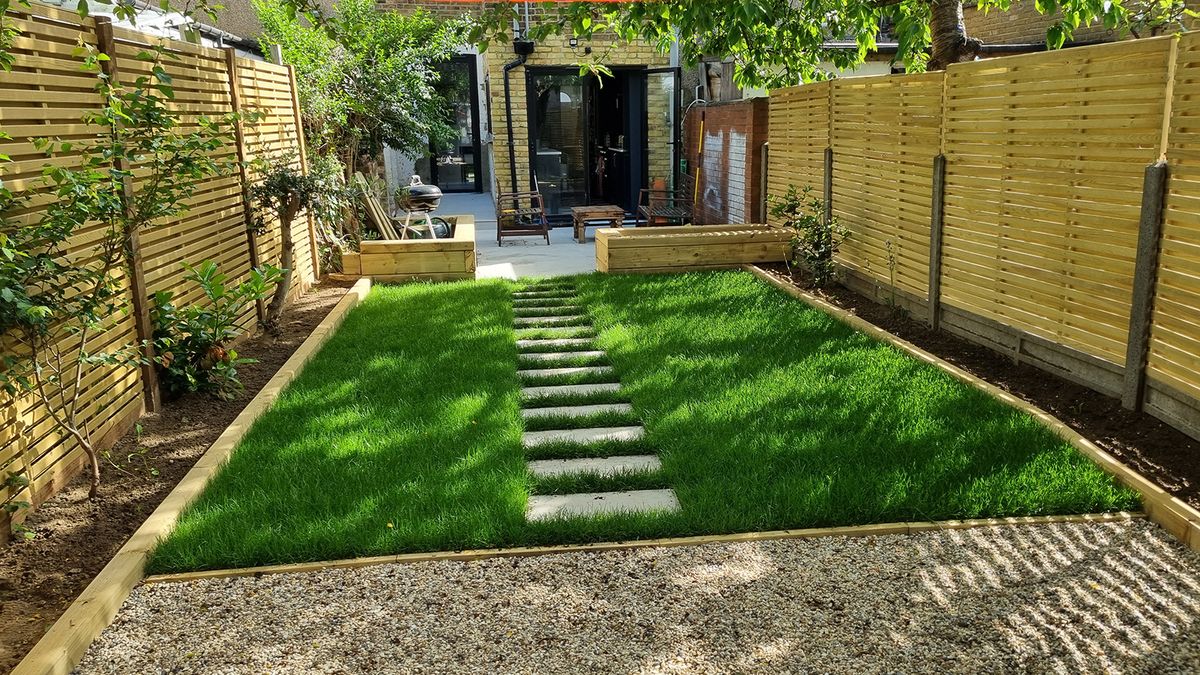
Budget small garden ideas and how to save money Homebuilding
Repurposed Materials
Pallet Gardens: Disassemble wooden pallets to create raised beds or vertical planters.
Cinder Block Beds: Stack cinder blocks to form raised beds or planters.
Recycled Containers: Use plastic bottles, milk jugs, or yogurt containers for seedlings or small plants.
Old Tires: Transform old tires into colorful planters.
Salvaged Wood: Use reclaimed wood for building raised beds or garden structures.
DIY Garden Structures
Simple Trellises: Construct trellises from bamboo stakes or branches to support climbing plants.
Compost Bins: Build a compost bin from scrap wood or a plastic bin to create nutrient-rich soil.
Rain Barrels: Collect rainwater in barrels for irrigation.
Cold Frames: Build a cold frame from old windows or plastic sheeting to extend the growing season.
3. Soil and Composting: The Heart of a Healthy Garden
Healthy soil is the foundation of a thriving garden.
Composting
kitchen Scraps: Compost vegetable peels, coffee grounds, and eggshells.
Yard Waste: Compost leaves, grass clippings, and twigs.
Benefits: Compost improves soil structure, fertility, and water retention.
Soil Amendments
Coffee Grounds: Add nitrogen and improve soil drainage.
Grass Clippings: Retain moisture and suppress weeds.
Straw or Hay: Provide insulation and prevent soil erosion.
Shredded Bark: Adds organic matter and improves soil structure.
4. Seed Starting and Propagation: Multiplying Your Plants for Free
Growing plants from seeds and propagating existing plants is a cost-effective way to expand your garden.
Seed Starting
Egg Cartons: Use egg cartons as seed starting trays.
Plastic Containers: Recycle plastic containers for seed starting.
Homemade Seed Starting Mix: Combine equal parts compost, peat moss, and perlite.
Sunlight or Grow Lights: Provide adequate light for seedlings.
Propagation
Cuttings: Take cuttings from herbs like mint, basil, and rosemary.
Division: Divide perennial plants like hostas and daylilies.
Layering: Bend a branch to the ground and cover it with soil to root.
Seed Saving: Collect seeds from mature plants for future planting.
5. Plant Selection and Companion Planting: Maximizing Yield and Minimizing Costs
Choosing the right plants and using companion planting techniques can boost your garden’s productivity.
Cost-Effective Plant Choices
Vegetables: Grow potatoes, onions, garlic, beans, and tomatoes.
Fruits: Plant strawberries, raspberries, and blueberries.
Herbs: Grow basil, mint, oregano, and thyme.
Flowers: Choose sunflowers, marigolds, and zinnias.
Companion Planting
Tomatoes and Basil: Basil repels pests and improves tomato flavor.
Carrots and Onions: Onions deter carrot flies.
Marigolds and Vegetables: Marigolds repel nematodes and other pests.
Beans and Corn: Beans provide nitrogen for corn.
6. Pest and Disease Management: Natural Solutions for a Healthy Garden
Protecting your garden from pests and diseases without using harsh chemicals is essential.
Natural Pest Control
Handpicking: Remove pests like slugs and snails by hand.
Beneficial Insects: Attract ladybugs, lacewings, and praying mantises.
Neem Oil: Use neem oil as a natural insecticide and fungicide.
Garlic Spray: Create a garlic spray to repel pests.
Diatomaceous Earth: Sprinkle diatomaceous earth around plants to deter slugs and snails.
Disease Prevention
Crop Rotation: Rotate crops to prevent soil-borne diseases.
Proper Spacing: Space plants adequately to improve air circulation.
Watering at the Base: Water plants at the base to prevent fungal diseases.
Remove Diseased Plants: Remove and dispose of diseased plants to prevent spread.
7. Watering and Irrigation: Conserving Water and Saving Money
Efficient watering practices are crucial for a healthy and productive garden.
Rain Barrels
Collect Rainwater: Install rain barrels to collect rainwater for irrigation.
Benefits: Rainwater is free and naturally soft.
Drip Irrigation
DIY Drip System: Create a drip irrigation system using soaker hoses or perforated pipes.
Benefits: Drip irrigation delivers water directly to plant roots, minimizing waste.
Mulching
Retains Moisture: Mulch helps retain soil moisture, reducing the need for frequent watering.
Benefits: Mulching saves water and suppresses weeds.
Watering Techniques
Water Deeply and Infrequently: Water deeply to encourage deep root growth.
Water in the Morning: Water in the morning to allow leaves to dry before evening.
8. Harvesting and Preserving: Enjoying the Fruits of Your Labor
Harvesting your produce at its peak and preserving it for later use is a rewarding experience.
Harvesting
Harvest at Peak Maturity: Harvest vegetables and fruits when they are ripe.
Use Proper Tools: Use sharp tools to avoid damaging plants.
Preserving
Canning: Preserve fruits and vegetables by canning them.
Freezing: Freeze vegetables and herbs for later use.
Drying: Dry herbs and fruits for long-term storage.
Pickling: Pickle vegetables like cucumbers and beans.
9. Community and Sharing: Expanding Your Garden’s Benefits
Gardening is a communal activity that can bring people together.
Seed Swaps
Participate in Seed Swaps: Exchange seeds with other gardeners.
Community Gardens
Join a Community Garden: Share resources and learn from other gardeners.
Sharing Your Harvest
Share with Neighbors: Share your surplus produce with neighbors and friends.
10. Ongoing Learning and Improvement: A Continuous Journey
Gardening is a lifelong learning process.
Research and Learn
Read Gardening Books and Articles: Expand your knowledge of gardening techniques.
Attend Workshops and Classes: Learn from experienced gardeners.
Experiment and Adapt: Try new techniques and adapt to changing conditions.
Keep a Garden Journal
Record Observations: Keep a journal to track your garden’s progress and identify areas for improvement.
By embracing these inexpensive backyard garden ideas, you can create a beautiful and productive space that brings joy, fresh produce, and a sense of accomplishment. Remember, gardening is a journey, not a destination. Enjoy the process of cultivating your own green oasis.


:max_bytes(150000):strip_icc()/jessicanelsonsubwaytile-722c281ca95548f0a6275bf1f03152f7-a47170a417f44411b720f0b204df427b.jpg?resize=200,135&ssl=1 "Inspiring Bathroom Tub Shower Tile Ideas")


