:strip_icc()/garden-groundcovers-0G1B7yYwqBx9ZQVJaissuo-e7d4b7a3efe4413aa9a032410b9144a6.jpg?ssl=1 "Front Yard Oasis: Water-Smart Landscaping Solutions")
Front Yard Water Saving Landscaping Ideas: A Lush Oasis, Minus the Waste
Water conservation is no longer a niche concern; it’s a necessity. As climate change intensifies, and water resources become increasingly strained, homeowners are seeking sustainable landscaping solutions. The front yard, often a symbol of curb appeal, presents a significant opportunity to implement water-saving practices. This comprehensive guide explores various strategies and ideas to transform your front yard into a beautiful, water-efficient landscape.
Traditional lawns, while aesthetically pleasing, are notorious water guzzlers. They require frequent irrigation, especially in arid and semi-arid regions. This excessive water usage contributes to depletion of aquifers, increased water bills, and environmental degradation. Shifting away from water-intensive lawns is the first step towards a sustainable landscape.
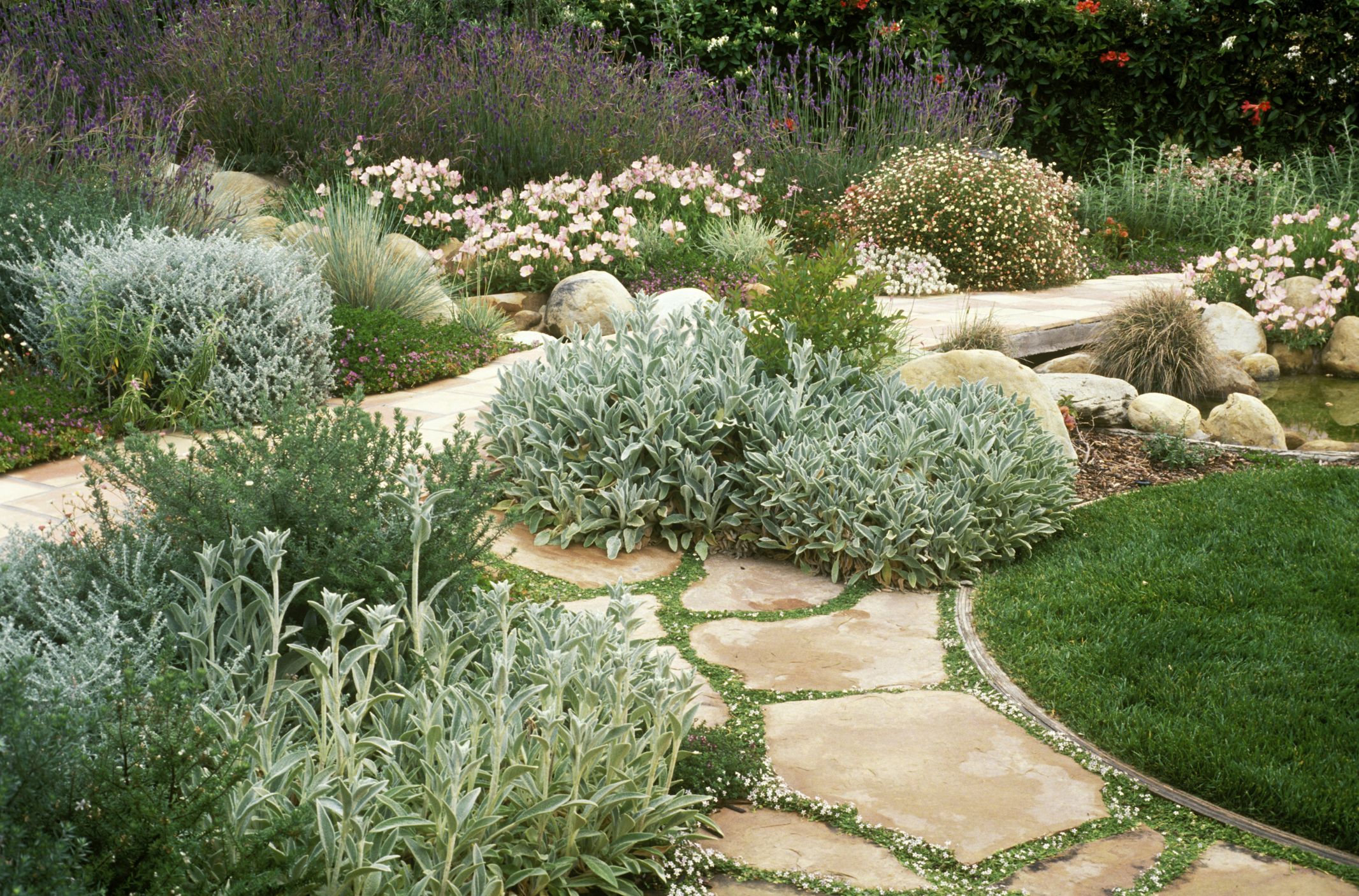
:strip_icc()/garden-groundcovers-0G1B7yYwqBx9ZQVJaissuo-e7d4b7a3efe4413aa9a032410b9144a6.jpg "image.title")
Xeriscaping, derived from the Greek word “xeros” meaning dry, is a landscaping approach designed to minimize water usage. It focuses on selecting drought-tolerant plants, improving soil health, and implementing efficient irrigation techniques.
1. Plant Selection: Choosing the Right Flora for Your Region
The cornerstone of xeriscaping is selecting plants that thrive in your local climate with minimal supplemental watering.
Native Plants: A Natural Fit
:strip_icc()/curb-appeal-foliage-plants-1051svw5KQC9FAtl-M9kOB-336092f31a7f475187c5171363808dec.jpg "image.title")
Native plants are adapted to the specific soil, climate, and rainfall patterns of your region. They require less water, fertilizer, and pesticides compared to non-native species. Consider incorporating native grasses, wildflowers, shrubs, and trees.
Drought-Tolerant Varieties: Resilient and Beautiful
Explore drought-tolerant plants that can withstand dry periods. These may include succulents, cacti, ornamental grasses, and Mediterranean herbs. Examples include:
Succulents: Agave, Sedum, Echeveria
Grouping Plants by Water Needs: Hydrozoning
Group plants with similar water requirements together. This allows you to water specific zones efficiently, avoiding overwatering or underwatering different areas.
2. Soil Improvement: Enhancing Water Retention
Healthy soil retains moisture better, reducing the need for frequent irrigation.
Composting: Enriching the Soil with Organic Matter
Adding compost to the soil improves its structure, water-holding capacity, and nutrient content. Compost acts like a sponge, retaining moisture and releasing it slowly to plant roots.
Mulching: Retaining Moisture and Suppressing Weeds
Apply a layer of mulch around plants to reduce evaporation, suppress weeds, and regulate soil temperature. Organic mulches, such as wood chips or shredded bark, decompose over time, enriching the soil.
Soil Aeration: Improving Water Infiltration
Compacted soil hinders water infiltration. Aerate the soil to improve drainage and allow water to reach plant roots.
3. Efficient Irrigation: Minimizing Water Waste
Implementing efficient irrigation techniques is crucial for water conservation.
Drip Irrigation: Targeted Watering
Drip irrigation delivers water directly to plant roots, minimizing evaporation and runoff. It is highly efficient and can be automated for precise watering.
Soaker Hoses: Gentle and Effective
Soaker hoses release water slowly and evenly along their length, providing deep watering to plant roots. They are ideal for established beds and borders.
Rain Barrels and Cisterns: Harvesting Rainwater
Collect rainwater from rooftops using rain barrels or cisterns. This harvested water can be used for irrigation, reducing reliance on municipal water supplies.
Smart Irrigation Controllers: Automated Efficiency
Install smart irrigation controllers that adjust watering schedules based on weather conditions, soil moisture, and plant needs. These controllers optimize water usage and prevent overwatering.
4. Hardscaping: Creating Functional and Water-Wise Features
Hardscaping elements can enhance the aesthetic appeal of your front yard while minimizing water usage.
Permeable Pavers: Reducing Runoff
Replace traditional concrete or asphalt driveways and walkways with permeable pavers. Permeable pavers allow rainwater to infiltrate the ground, reducing runoff and replenishing groundwater supplies.
Gravel and Stone Pathways: Low-Maintenance Options
Create pathways and patios using gravel or stone. These materials require minimal maintenance and allow for natural drainage.
Dry Riverbeds: Channeling Water and Adding Visual Interest
Construct dry riverbeds using rocks and gravel to channel rainwater and prevent erosion. Dry riverbeds also add visual interest and create a natural aesthetic.
Rock Gardens: Showcasing Drought-Tolerant Plants
Create rock gardens featuring succulents, cacti, and other drought-tolerant plants. Rock gardens are low-maintenance and visually appealing.
5. Lawn Alternatives: Shifting Away from Water-Intensive Turf
Replace traditional lawns with water-wise alternatives that require less maintenance and irrigation.
Groundcovers: Low-Growing and Water-Efficient
Groundcovers, such as creeping thyme, clover, or sedum, can create a lush, green carpet while requiring less water than traditional lawns.
Meadow Gardens: A Natural and Diverse Landscape
Meadow gardens feature a mix of native grasses and wildflowers, creating a natural and diverse landscape that requires minimal maintenance and irrigation.
Artificial Turf: A Low-Maintenance Option
Consider artificial turf as a low-maintenance alternative to natural grass. While it requires an initial investment, it eliminates the need for watering, mowing, and fertilizing.
6. Design Considerations: Creating a Cohesive and Sustainable Landscape
Consider the following design principles to create a cohesive and sustainable front yard.
Slope Management: Preventing Runoff and Erosion
Terrace sloped areas to prevent runoff and erosion. Use retaining walls or berms to create level planting areas.
Rain Gardens: Capturing and Filtering Runoff
Create rain gardens to capture and filter rainwater runoff from roofs and driveways. Rain gardens are shallow depressions planted with native plants that can tolerate temporary flooding.
Creating Shade: Reducing Evaporation
Plant trees and shrubs to create shade, reducing evaporation and lowering soil temperature.
Utilizing Existing Features: Maximizing Efficiency
Work with existing features, such as mature trees or natural slopes, to create a water-wise landscape.
7. Maintenance Practices: Ensuring Long-Term Sustainability
Proper maintenance is essential for ensuring the long-term sustainability of your water-saving landscape.
Weed Control: Minimizing Competition for Water
Remove weeds regularly to prevent them from competing with desired plants for water and nutrients.
Pruning: Promoting Healthy Growth
Prune plants to promote healthy growth and reduce water stress.
Fertilizing: Using Slow-Release Fertilizers
Use slow-release fertilizers to provide nutrients gradually and minimize runoff.
Monitoring Irrigation: Adjusting Schedules as Needed
Monitor irrigation systems regularly and adjust schedules based on weather conditions and plant needs.
Transforming your front yard into a water-saving landscape is an investment in both environmental sustainability and aesthetic appeal. By embracing xeriscaping principles, selecting drought-tolerant plants, improving soil health, implementing efficient irrigation techniques, and incorporating water-wise hardscaping and lawn alternatives, you can create a lush and vibrant oasis that thrives with minimal water usage. Remember to research the specific needs of your region and adapt these ideas to your unique landscape. With careful planning and implementation, you can create a front yard that is both beautiful and sustainable, contributing to a healthier environment for generations to come.
:max_bytes(150000):strip_icc()/jessicanelsonsubwaytile-722c281ca95548f0a6275bf1f03152f7-a47170a417f44411b720f0b204df427b.jpg?resize=200,135&ssl=1 "Inspiring Bathroom Tub Shower Tile Ideas")


:strip_icc()/garden-groundcovers-0G1B7yYwqBx9ZQVJaissuo-e7d4b7a3efe4413aa9a032410b9144a6.jpg?ssl=1&description=Front%20Yard%20Oasis%3A%20Water-Smart%20Landscaping%20Solutions)