
Absolutely! Here’s a 3000-word article about “Small Living Room Ideas,” incorporating your request to replace “ with `
` or `
` for a more structured heading approach.
The living room, often the heart of a home, presents a unique challenge when space is at a premium. Creating a comfortable, stylish, and functional living area in a small space requires careful planning and clever design strategies. This article explores a multitude of ideas to transform your tiny living room into a cozy and inviting haven.
Light and Bright: The Foundation of Spaciousness
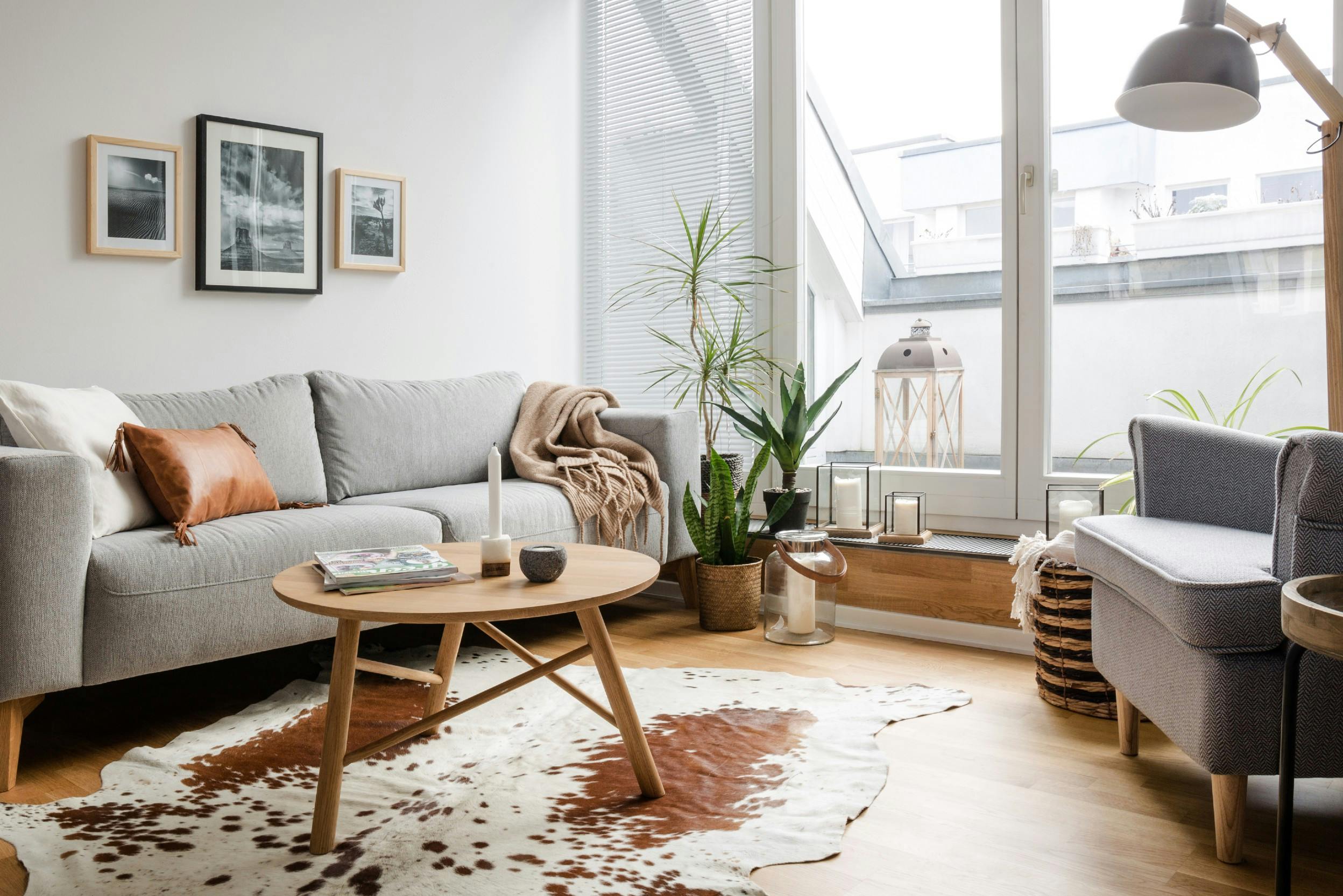
A dark and cluttered room will always feel smaller than it is. Start by maximizing natural light. Sheer curtains or blinds allow sunlight to filter through while maintaining privacy. If natural light is limited, strategically placed mirrors can reflect and amplify existing light sources, creating an illusion of greater depth.
Color Psychology: Expanding Perceptions
Light, neutral colors like whites, creams, and soft grays are your best friends in a small living room. These hues reflect light and create a sense of openness. Avoid dark or overly saturated colors, which can make the space feel cramped. Consider a monochromatic color scheme, using varying shades of the same color for a cohesive and spacious look.
Multifunctional Marvels: Space-Saving Solutions
Invest in furniture that serves multiple purposes. A storage ottoman can double as a coffee table and storage unit, while a sofa bed provides extra sleeping space for guests. Nesting tables can be pulled out when needed and tucked away when not in use.
Scale and Proportion: Choosing the Right Size
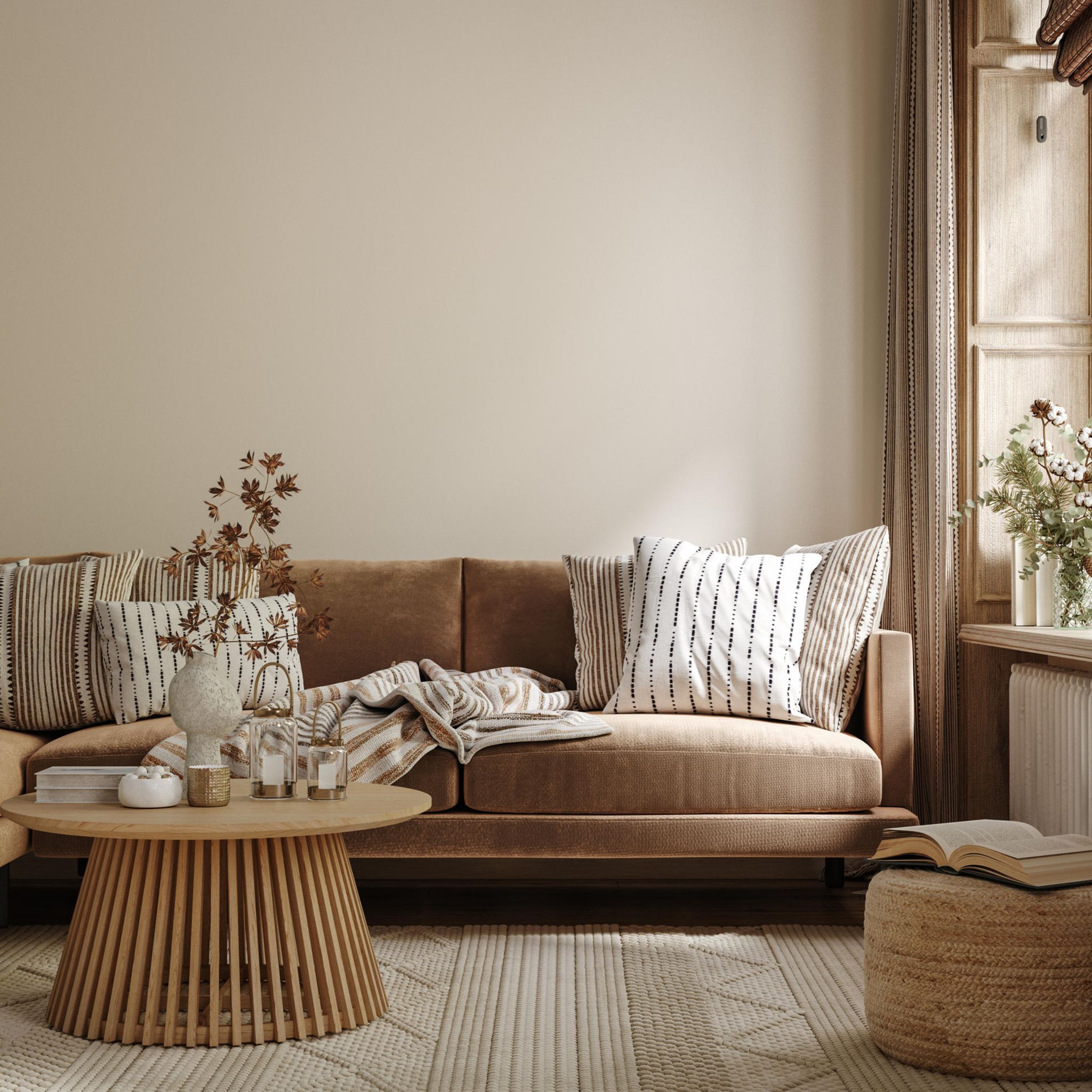
Opt for furniture that is appropriately scaled to the size of your room. Avoid bulky or oversized pieces that will overwhelm the space. Choose furniture with clean lines and a streamlined profile. Consider furniture with legs to create a sense of airiness and visual space underneath.
The Art of Arrangement: Optimizing Flow
Carefully plan your furniture layout to maximize flow and create a sense of openness. Avoid pushing all furniture against the walls, as this can make the room feel smaller. Instead, create conversational groupings and leave pathways clear.
Vertical Storage: Utilizing Wall Space
Take advantage of vertical space by installing shelves, bookcases, or floating shelves. These can be used to display books, decorative items, and storage boxes. Consider built-in storage solutions to maximize every inch of available space.
Hidden Storage: Discreet Organization
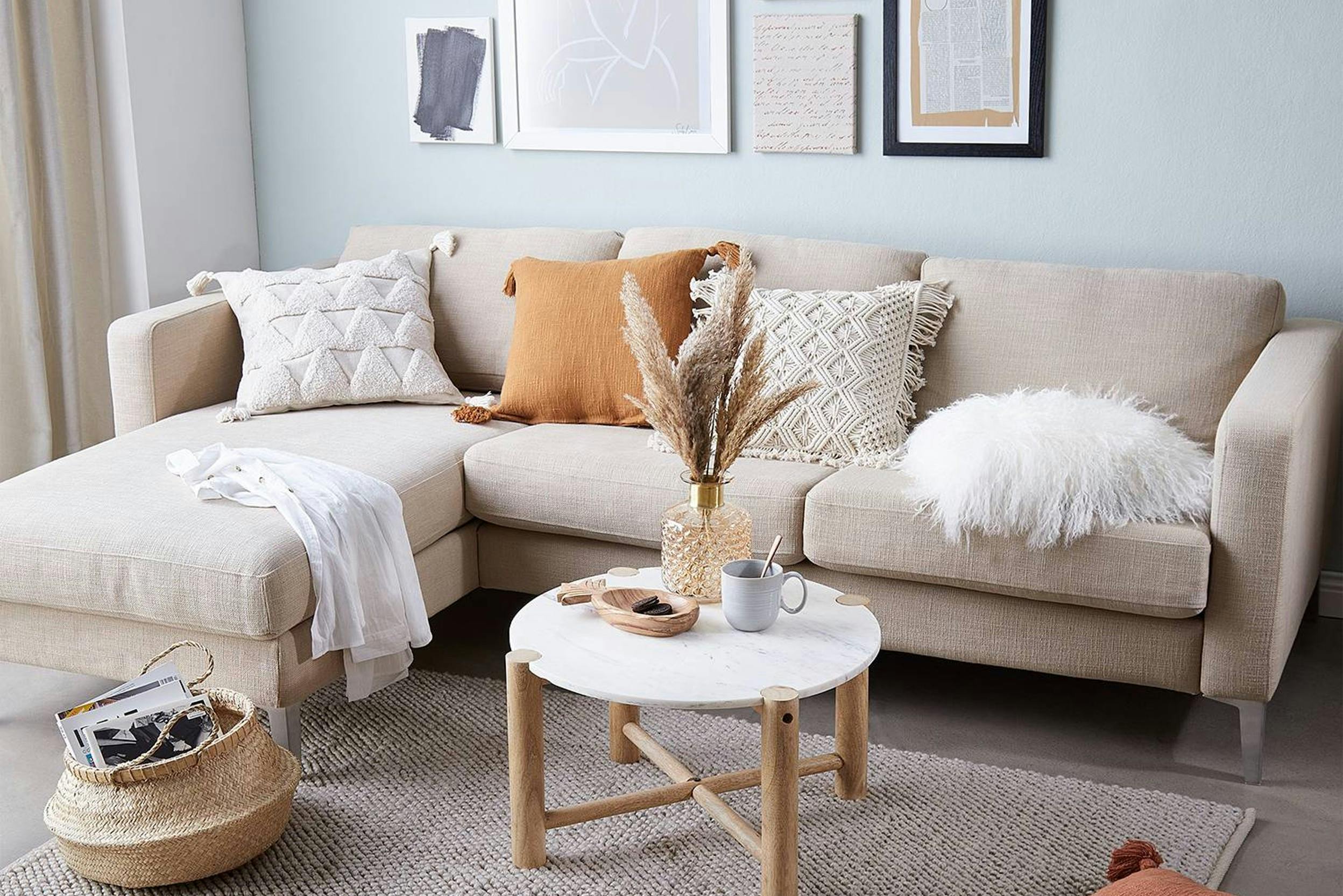
Incorporate storage solutions that blend seamlessly with your décor. Storage ottomans, benches with hidden compartments, and storage coffee tables are excellent options. Utilize baskets and bins to organize smaller items and keep them out of sight.
Decluttering: The Essential First Step
Before implementing any storage solutions, declutter your living room. Get rid of anything you don’t need or love. A clutter-free space will instantly feel larger and more inviting.
Minimalist Approach: Less is More
In a small living room, a minimalist approach to décor is key. Choose a few key pieces that reflect your personal style and avoid overcrowding the space with unnecessary items.
Textural Interest: Adding Depth and Dimension
Incorporate textures through throws, pillows, rugs, and wall hangings. Textures add depth and dimension to the space, making it feel more visually interesting. Choose lightweight fabrics and avoid heavy drapes that can block light.
Wall Art: Creating Focal Points
Choose artwork that complements the scale of your room. A large statement piece can create a focal point and draw the eye, making the room feel larger. Alternatively, a gallery wall with smaller, framed prints can add visual interest without overwhelming the space.
Mirror Magic: Reflecting Light and Space
Mirrors are a powerful tool for creating the illusion of a larger space. Place a large mirror opposite a window to reflect light and expand the room visually. Consider using mirrored furniture or decorative mirrors to add depth and dimension.
Vertical Stripes: Elongating the Room
Vertical stripes on walls or curtains can visually elongate the room, making it appear taller. Choose subtle stripes in light colors for a sophisticated look.
Open Shelving: Creating a Sense of Airiness
Open shelving units or floating shelves create a sense of airiness and visual space. They allow you to display your belongings without blocking light or creating a cluttered look.
Sectional or Sofa: Choosing Wisely
In a small living room, a sectional sofa can maximize seating while defining the space. Choose a sectional with a chaise lounge for added comfort. Alternatively, a loveseat or a small sofa can be a good option.
Ottomans and Poufs: Flexible Seating
Ottomans and poufs are versatile seating options that can be easily moved around the room. They can also be used as footrests or extra surfaces.
Window Seating: Utilizing Nooks
If you have a window nook, consider creating a built-in window seat. This can provide extra seating and storage while maximizing the use of available space.
Layered Lighting: Creating Ambiance
Use a combination of ambient, task, and accent lighting to create a warm and inviting atmosphere. Ambient lighting provides overall illumination, while task lighting focuses on specific areas. Accent lighting highlights architectural features or artwork.
Pendant Lights: Drawing the Eye Upward
Pendant lights can draw the eye upward, making the room feel taller. Choose pendant lights with a slim profile to avoid overwhelming the space.
Table and Floor Lamps: Adding Warmth and Light
Table and floor lamps provide soft, warm light and can be used to create cozy reading nooks or highlight specific areas of the room.
Light-Colored Flooring: Expanding the Space
Light-colored flooring, such as hardwood, laminate, or tile, can make the room feel larger and brighter. Avoid dark or busy patterns, which can make the space feel cramped.
Large Rugs: Defining the Space
A large rug can define the seating area and create a sense of cohesion. Choose a rug that is large enough to fit under the front legs of your furniture.
Continuous Flooring: Creating a Seamless Flow
If possible, use the same flooring throughout the living room and adjacent areas. This creates a seamless flow and makes the space feel larger.
Indoor Plants: Adding Freshness and Vitality
Indoor plants can add freshness and vitality to a small living room. Choose plants that thrive in low light conditions and are easy to care for.
Vertical Gardens: Utilizing Wall Space
Vertical gardens can be used to add greenery without taking up floor space. They can also create a focal point and add visual interest.
Hanging Planters: Adding Dimension
Hanging planters can add dimension and visual interest to a small living room. They can also be used to create a green backdrop.
Personal Touches: Reflecting Your Style
Don’t be afraid to add personal touches to your living room. Display your favorite books, artwork, and decorative items.
Cozy Elements: Creating a Welcoming Atmosphere
Incorporate cozy elements, such as throws, pillows, and candles, to create a warm and inviting atmosphere.
Functionality First: Prioritizing Your Needs
Ultimately, the best small living room is one that meets your needs and reflects your personal style. Prioritize functionality and choose décor that makes you happy.
By implementing these ideas, you can transform your small living room into a stylish, comfortable, and functional space that you’ll love spending time in. Remember, the key is to be creative, resourceful, and prioritize what matters most to you.


