
Absolutely! Here’s a comprehensive 3000-word article on Lower kitchen Cabinet Design, formatted with `
` and `
` tags for subheadings:
The kitchen, often considered the heart of the home, relies heavily on its cabinetry for both functionality and aesthetic appeal. Among the various cabinet types, lower kitchen cabinets play a pivotal role, serving as the primary storage and workspace foundation. This article delves into the intricacies of lower kitchen cabinet design, exploring various styles, layouts, materials, and features that contribute to a well-organized and visually pleasing kitchen.
Understanding the Importance of Lower Kitchen Cabinets
Lower cabinets aren’t just boxes under the countertop; they are the workhorses of the kitchen. They provide essential storage for pots, pans, dishes, and various kitchen gadgets. Their design directly impacts the efficiency and usability of the kitchen, influencing everything from food preparation to cleanup.
Ergonomics and Accessibility
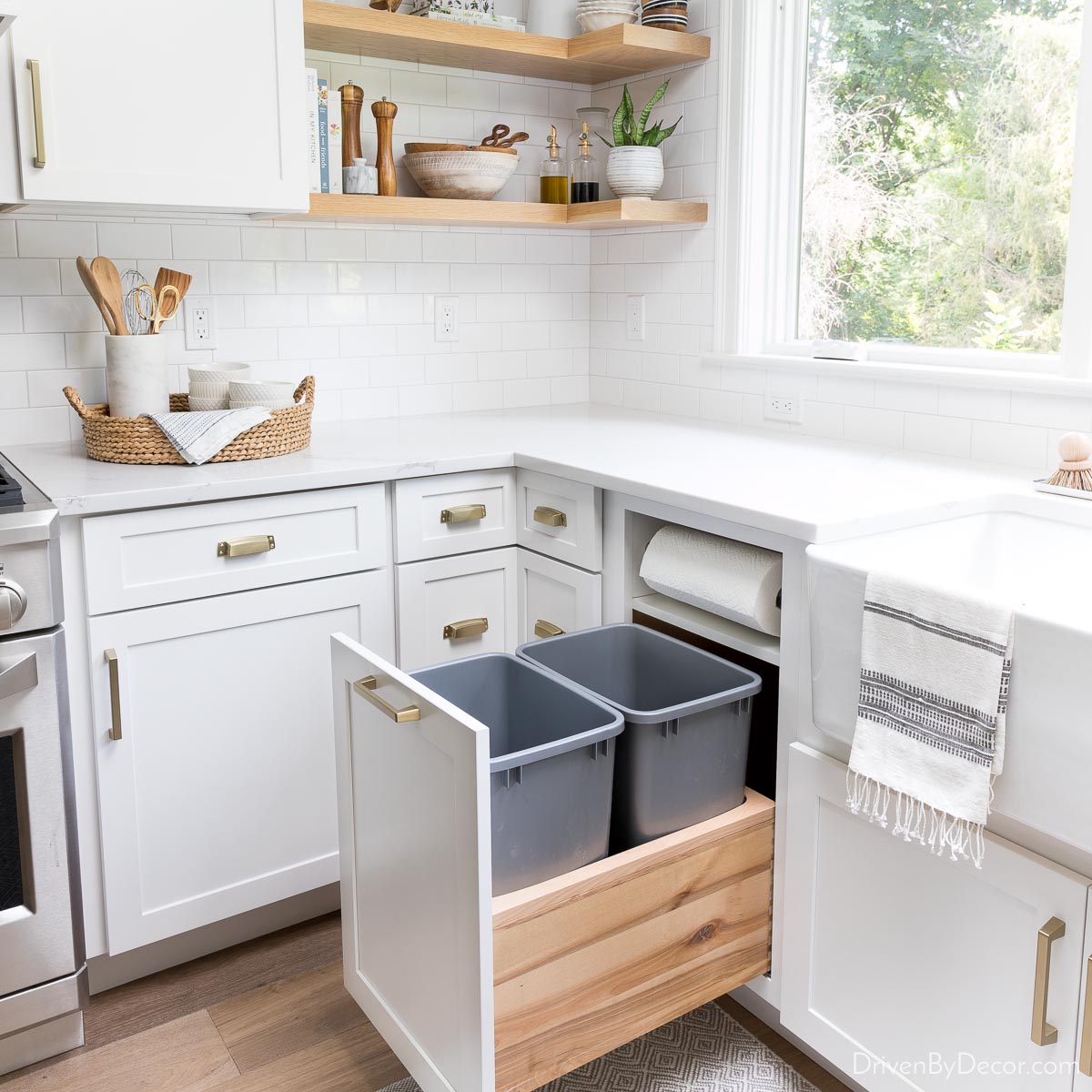
Proper lower cabinet design prioritizes ergonomics, ensuring that commonly used items are easily accessible. Features like pull-out shelves, drawer dividers, and corner solutions minimize bending and reaching, making the kitchen more user-friendly.
Maximizing Storage Space
Efficient use of space is crucial in any kitchen. Lower cabinets offer ample storage potential, and thoughtful design can maximize this space, preventing clutter and promoting organization.
Aesthetic Contribution
Beyond functionality, lower cabinets contribute significantly to the overall aesthetic of the kitchen. The style, finish, and hardware of these cabinets play a vital role in creating a cohesive and visually appealing space.
Types of Lower Kitchen Cabinets
Several types of lower cabinets cater to different needs and kitchen layouts. Understanding these types is essential for creating a functional and efficient kitchen.
Base Cabinets with Doors and Shelves
:strip_icc()/crenshaw_KPI_31405B16-9799949934db452794c8ea7b76ce6f16.jpg "image.title")
The most common type, these cabinets feature doors and adjustable shelves. They are versatile and can accommodate a wide range of items.
Drawer Base Cabinets
These cabinets prioritize drawer storage, offering easy access to frequently used items like cutlery, utensils, and cookware. Drawers can be customized with dividers and inserts for optimal organization.
Sink Base Cabinets
Designed to accommodate the kitchen sink, these cabinets often feature a false drawer front and ample space for plumbing and cleaning supplies.
Corner Base Cabinets
Corner cabinets can be challenging to access, but innovative solutions like lazy Susans, pull-out shelves, and blind corner pull-outs maximize their usability.
Specialty Base Cabinets
These cabinets cater to specific needs, such as trash pull-outs, spice racks, and appliance garages. They enhance functionality and organization.
Layout Considerations for Lower Cabinets
The layout of lower cabinets is crucial for creating an efficient and functional kitchen. Several layouts cater to different kitchen sizes and styles.
L-Shaped Kitchen Layout
Ideal for smaller kitchens, the L-shaped layout features cabinets along two adjacent walls, creating a compact and efficient workspace.
U-Shaped Kitchen Layout
This layout surrounds the cook with cabinets on three sides, providing ample storage and workspace. It’s suitable for larger kitchens.
Galley Kitchen Layout
Common in apartments and smaller homes, the galley layout features cabinets along two parallel walls. It’s efficient for linear workflows.
Island Kitchen Layout
This layout incorporates a kitchen island, providing additional storage, workspace, and seating. The island can feature various lower cabinet types.
Peninsula Kitchen Layout
A peninsula extends from a wall, creating a partial island. It offers similar benefits to an island but is suitable for smaller spaces.
Materials and Finishes for Lower Cabinets
The choice of materials and finishes significantly impacts the durability and aesthetics of lower cabinets.
Solid Wood Cabinets
Known for their durability and natural beauty, solid wood cabinets are a classic choice. Common wood species include oak, maple, cherry, and walnut.
Plywood Cabinets
Plywood is a cost-effective alternative to solid wood, offering strength and stability. It’s often used for cabinet boxes and frames.
MDF Cabinets
Medium-density fiberboard (MDF) is an engineered wood product that’s smooth and stable. It’s commonly used for painted cabinet doors and drawer fronts.
Laminate Cabinets
Laminate cabinets feature a decorative surface bonded to a particleboard or MDF core. They are durable, easy to clean, and available in various colors and patterns.
Cabinet Finishes
Painted Finishes: Offer a wide range of color options and create a smooth, clean look.
Hardware and Accessories for Lower Cabinets
Hardware and accessories enhance the functionality and aesthetics of lower cabinets.
Cabinet Handles and Knobs
These hardware pieces add a decorative touch and provide a grip for opening and closing doors and drawers. They are available in various styles, materials, and finishes.
Drawer Slides and Hinges
High-quality drawer slides and hinges ensure smooth and quiet operation. Soft-close mechanisms prevent slamming and enhance durability.
Pull-Out Shelves and Drawers
These accessories maximize storage space and improve accessibility. They are ideal for storing pots, pans, and other bulky items.
Drawer Dividers and Inserts
These accessories organize drawers and prevent items from shifting. They are available in various configurations to accommodate different items.
Corner Cabinet Solutions
Lazy Susans, pull-out shelves, and blind corner pull-outs maximize the usability of corner cabinets.
Trash Pull-Outs
These accessories conceal trash cans and keep the kitchen clean and organized.
Spice Racks and Drawer Inserts
These accessories organize spices and keep them within easy reach.
Design Trends in Lower Kitchen Cabinets
Kitchen design trends evolve, and lower cabinets are no exception. Here are some current trends:
Shaker-Style Cabinets
Known for their clean lines and timeless appeal, shaker-style cabinets remain a popular choice.
Flat-Panel Cabinets
These cabinets offer a sleek and modern look, making them ideal for contemporary kitchens.
Two-Tone Cabinets
Combining two different cabinet colors, such as white upper cabinets and dark lower cabinets, creates a visually appealing contrast.
Open Shelving in Lower Cabinets
Incorporating open shelving in lower cabinets adds visual interest and provides easy access to frequently used items.
Integrated Appliances
Integrating appliances into lower cabinets creates a seamless and streamlined look.
Smart Storage Solutions
Incorporating smart storage solutions, such as motorized pull-outs and touch-to-open drawers, enhances functionality and convenience.
Planning and Installation of Lower Kitchen Cabinets
Proper planning and installation are crucial for ensuring the longevity and functionality of lower kitchen cabinets.
Measurement and Planning
Accurate measurements are essential for creating a well-fitting cabinet layout. Consider the placement of appliances, plumbing, and electrical outlets.
Professional Installation
Professional installation ensures that cabinets are level, secure, and properly aligned. Experienced installers can also address any potential issues that may arise.
DIY Installation
DIY installation is possible for experienced homeowners. However, it requires careful planning, accurate measurements, and attention to detail.
Maintaining Lower Kitchen Cabinets
Proper maintenance ensures that lower cabinets remain in good condition for years to come.
Regular Cleaning
Regular cleaning with a mild detergent and a soft cloth prevents dirt and grime buildup.
Preventing Moisture Damage
Wipe up spills immediately and ensure proper ventilation to prevent moisture damage.
Addressing Wear and Tear
Repair scratches and chips promptly to prevent further damage. Tighten loose hardware and adjust hinges as needed.
Protecting from Heat and Sunlight
Avoid placing hot appliances directly on cabinet surfaces and protect cabinets from direct sunlight to prevent fading and warping.
By carefully considering these aspects of lower kitchen cabinet design, you can create a kitchen that is both functional and visually appealing, enhancing your cooking experience and adding value to your home.
:max_bytes(150000):strip_icc()/jessicanelsonsubwaytile-722c281ca95548f0a6275bf1f03152f7-a47170a417f44411b720f0b204df427b.jpg?resize=200,135&ssl=1 "Inspiring Bathroom Tub Shower Tile Ideas")


