Simple Backyard Landscaping Ideas Australia

Simple Backyard Landscaping Ideas Australia

Posted on

Simple Backyard Landscaping Ideas for the Australian Lifestyle

Australia, with its diverse climates and love for outdoor living, offers a unique canvas for backyard landscaping. Whether you’re dealing with a sprawling suburban block, a compact inner-city courtyard, or a coastal retreat, creating a functional and beautiful outdoor space is achievable with a little planning and creativity. This article explores simple yet impactful backyard landscaping ideas tailored to the Australian context, focusing on practicality, sustainability, and aesthetic appeal.

  • Understanding Your Space and Climate
  • Before diving into design, it’s crucial to understand your backyard’s characteristics:

    Simple Backyard Landscaping Ideas Australia
    Stunning Backyard Landscaping Ideas for a Small Area

    Climate Zone: Australia spans various climate zones, from tropical north to temperate south. Choosing plants and materials suitable for your region is paramount.

  • Soil Type: Conduct a simple soil test to determine its pH and composition. This will guide plant selection and necessary amendments.
  • Sun Exposure: Observe the sun’s path throughout the day to understand which areas receive full sun, partial shade, or full shade.
  • Existing Features: Consider existing trees, fences, and structures. These can be integrated into your design or modified to suit your needs.
  • Purpose: Define how you intend to use your backyard. Will it be for entertaining, relaxing, gardening, or a combination of these?

  • Creating Functional Zones
  • Dividing your backyard into distinct zones enhances functionality and visual appeal:

    Entertaining Zone

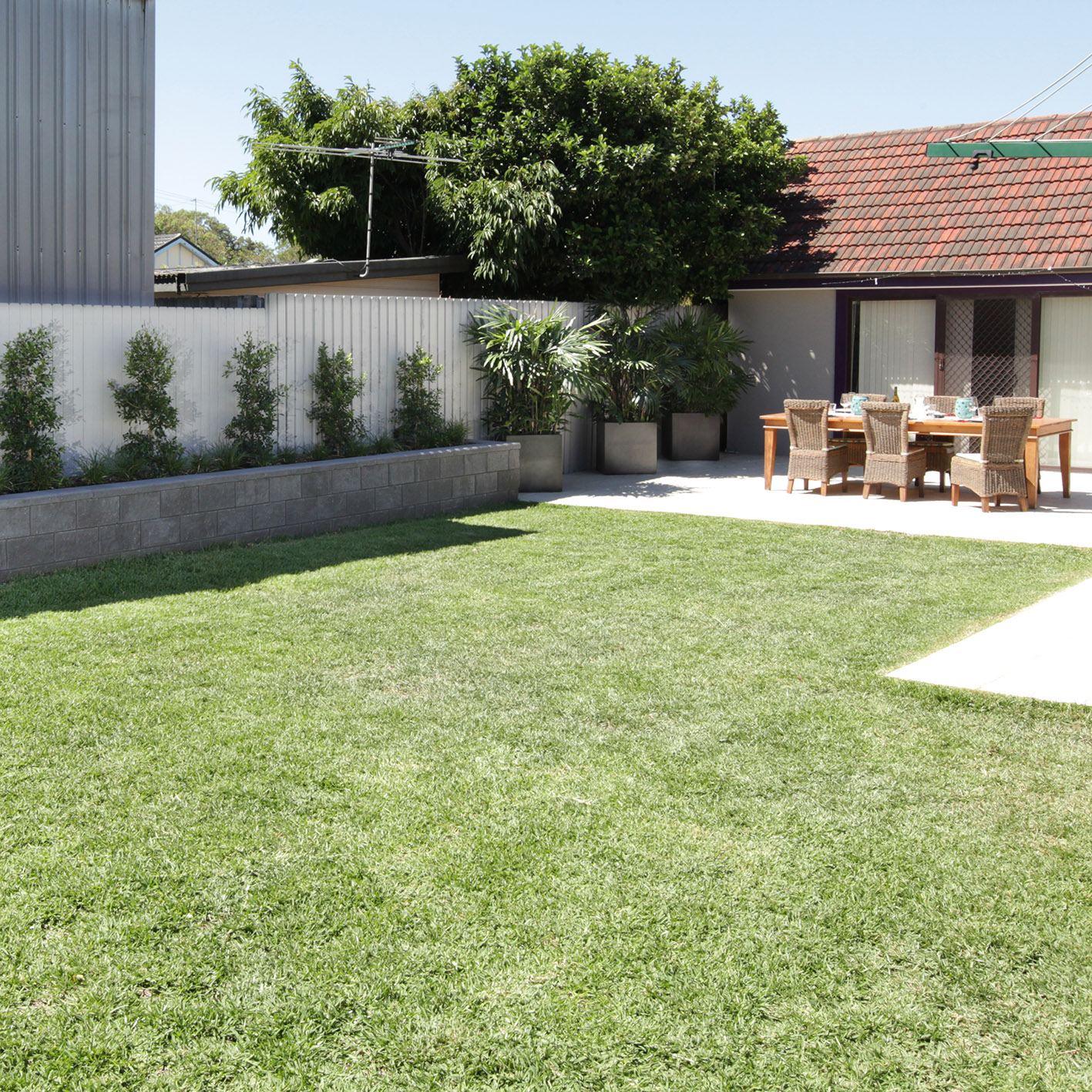
    A paved or decked area for outdoor dining and gatherings is a classic Australian feature. Consider using durable materials like pavers, concrete, or hardwood decking.

  • Integrate built-in seating or benches to maximise space and create a relaxed atmosphere.
  • A shade structure, such as a pergola, shade sail, or retractable awning, is essential for protection from the harsh Australian sun.
  • Outdoor lighting, including string lights, solar lights, and pathway lights, creates ambiance and extends usability into the evening.
  • Consider a built in BBQ area, or a fire pit depending on your local council regulations.

  • Relaxation Zone

    image.title
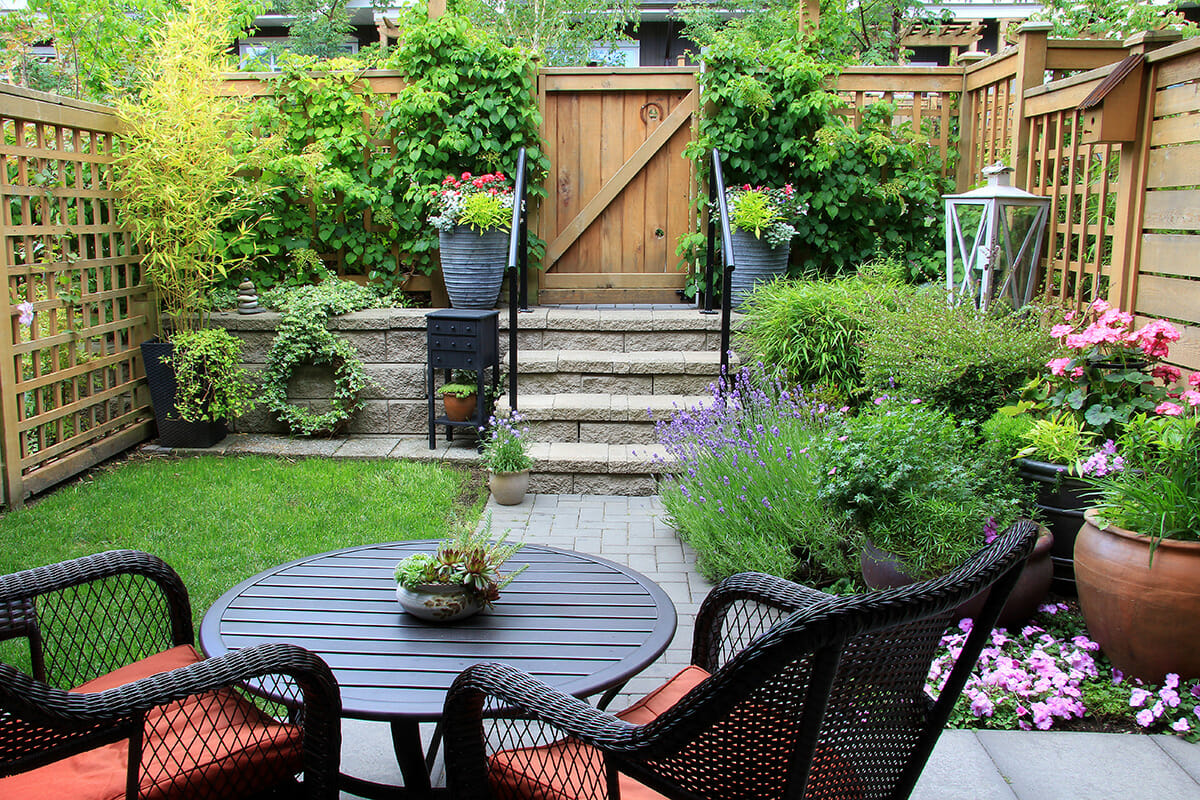
    Australia’s tiniest backyards prove size doesn’t matter

    A dedicated relaxation zone can be a quiet corner with comfortable seating, a hammock, or a water feature.

  • Screening plants or fences can create privacy and a sense of seclusion.
  • A small water feature, such as a birdbath or a wall fountain, adds a soothing element.
  • Consider a day bed, or outdoor bean bags.

  • Gardening Zone

    Raised garden beds are ideal for vegetable gardens, herb gardens, or flower beds, especially in areas with poor soil.

  • Vertical gardens are perfect for small spaces, utilising walls and fences to grow plants.
  • A compost bin or worm farm promotes sustainable gardening practices.
  • Consider a small greenhouse, for those with a serious gardening passion.

  • Children’s Play Zone

    A designated play area with a swing set, sandpit, or trampoline provides entertainment for children.

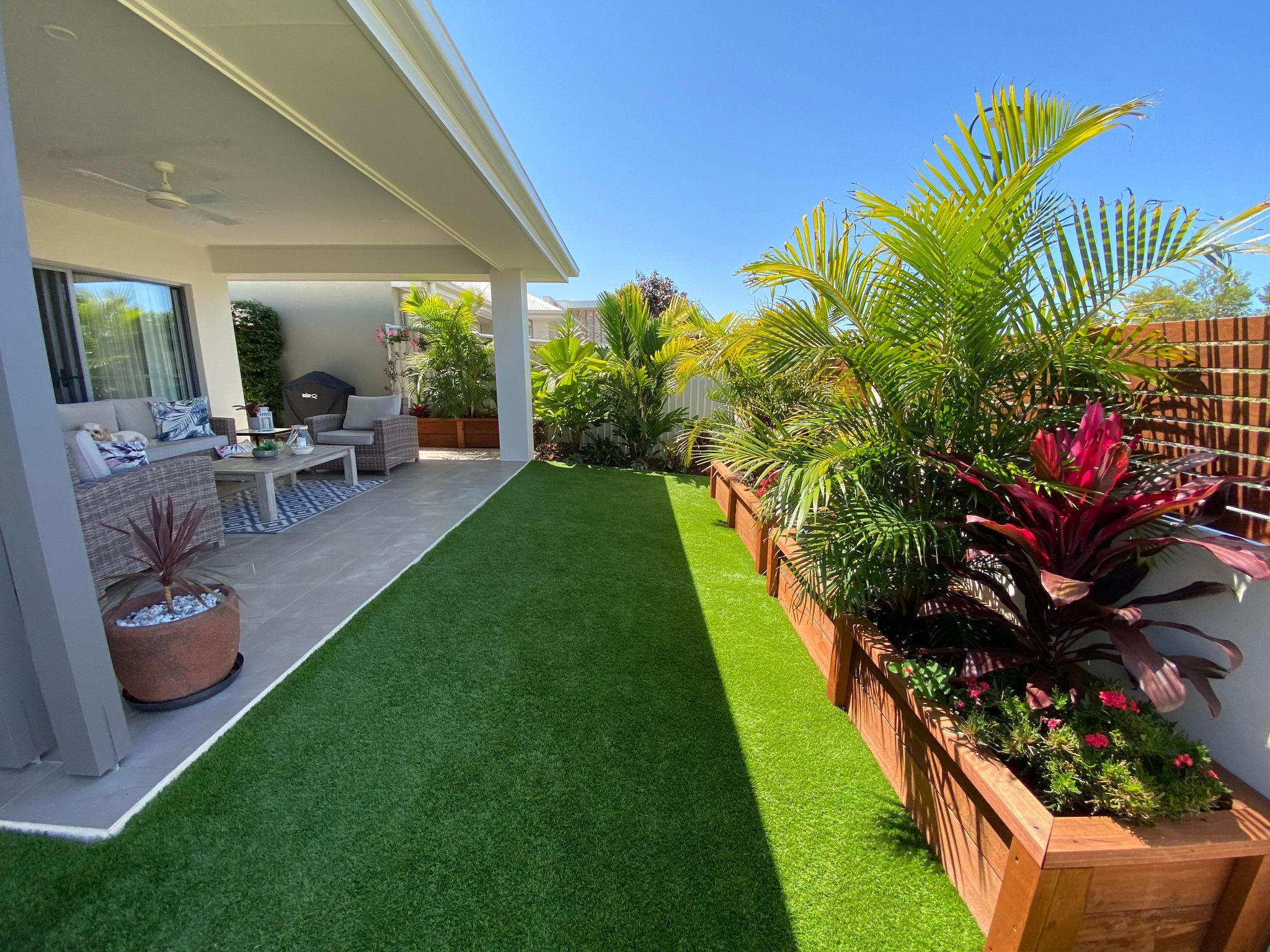
  • Soft, durable surfaces like artificial turf or rubber mulch are ideal for safety.
  • Consider a water play area, such as a splash pad or a paddling pool, for hot summer days.
  • Consider a cubby house, or a climbing frame.

  • Plant Selection: Embracing Australian Natives
  • image.title
    Landscaping Tips for Small Backyards

    Choosing the right plants is essential for a thriving backyard.

    Australian Native Plants

    Native plants are well-adapted to Australian conditions, requiring less water and maintenance.

  • They attract native wildlife, such as birds and butterflies, enhancing biodiversity.
  • Consider drought-tolerant natives like grevilleas, banksias, and wattles.
  • For coastal gardens, choose salt-tolerant species like coastal rosemary and pigface.

  • Drought-Tolerant Plants

    Succulents, such as echeveria and sedum, are perfect for low-maintenance gardens.

  • Ornamental grasses, such as lomandra and dianella, add texture and movement.
  • Consider using gravel or mulch to conserve moisture and suppress weeds.

  • Edible Plants

    A herb garden near the kitchen provides fresh herbs for cooking.

  • Fruit trees, such as citrus, figs, and stone fruit, thrive in many Australian climates.
  • Consider a vegetable patch with seasonal produce.
  • Using edible native plants is increasing in popularity.

  • Hardscaping: Enhancing Structure and Functionality
  • Hardscaping elements define the layout and functionality of your backyard.

    Pathways and Patios

    Pathways connect different zones and provide easy access throughout the garden.

  • Consider using stepping stones, pavers, or gravel for pathways.
  • Patios provide a solid surface for outdoor furniture and entertaining.
  • Permeable pavers can help reduce runoff and improve drainage.

  • Fencing and Screening

    Fences provide privacy and security, as well as define boundaries.

  • Consider using timber, steel, or composite fencing.
  • Screening plants, such as bamboo or lilly pillies, create a natural barrier.
  • Consider using living fences, using plants to create a fence like structure.

  • Water Features

    Water features add a tranquil element to the garden.

  • Consider a small pond, a wall fountain, or a birdbath.
  • Integrate water features with native plants to create a natural habitat.

  • Sustainable Landscaping Practices
  • Embracing sustainable practices minimizes environmental impact and creates a healthy ecosystem.

    Water Conservation

    Install a rainwater tank to collect rainwater for irrigation.

  • Use drip irrigation or soaker hoses to water plants efficiently.
  • Mulch garden beds to retain moisture and suppress weeds.
  • Choose drought-tolerant plants that require less water.

  • Soil Health

    Amend soil with compost and organic matter to improve fertility and drainage.

  • Use natural fertilizers and pesticides to avoid harmful chemicals.
  • Practice crop rotation in vegetable gardens to prevent soil depletion.

  • Wildlife Habitat

    Plant native species to attract birds, butterflies, and bees.

  • Provide shelter and nesting sites for wildlife.
  • Create a wildlife corridor to connect your backyard with surrounding green spaces.
  • Avoid the use of chemical pestacide, to keep the wildlife healthy.
  • Consider placing out bird feeders and water stations.

  • Energy Efficiency

    Use solar-powered lighting and water features.

  • Plant deciduous trees to provide shade in summer and allow sunlight in winter.
  • Consider using light coloured pavers or concrete, to reflect heat.
  • Position outdoor lighting in a way that minimizes light pollution.

  • Small Backyard Landscaping Ideas
  • Even small backyards can be transformed into functional and beautiful spaces:

    Vertical Gardening

    Utilize walls and fences to create vertical gardens with climbing plants, herbs, or vegetables.

  • Hanging baskets and wall planters maximize space.

  • Multifunctional Furniture

    Choose furniture that serves multiple purposes, such as storage benches or folding chairs.

  • Consider custom made furniture, to specifically fit your space.

  • Mirrors

  • Strategically placed mirrors can create the illusion of a larger space.
  • Light Colour Palettes

  • Light-coloured walls, fences, and surfaces can make a small space feel brighter and more open.
  • Focus on Key Features

  • Concentrate on one or two key features, such as a water feature or a focal point plant.
  • Coastal Backyard Landscaping Ideas
  • Coastal gardens require special consideration due to salt spray and sandy soil:

    Salt-Tolerant Plants

    Choose native coastal species like coastal rosemary, pigface, and banksias.

  • Consider succulents and grasses that thrive in salty conditions.

  • Wind Protection

    Use hedging or screening plants to create a windbreak.

  • Consider building a solid fence or a windbreak structure.

  • Durable Materials

    Use weather-resistant materials for decking, fencing, and furniture.

  • Consider using marine grade stainless steel, if placing metal near the ocean.

  • Sandy Soil Amendments

    Amend sandy soil with compost and organic matter to improve water retention.

  • Use mulch to retain moisture and suppress weeds.

  • Leave a Reply

    Your email address will not be published. Required fields are marked *