
Tiny Plots, Big Potential: Very Small Garden Ideas on a Budget
The dream of a lush, vibrant garden doesn’t require acres of land or a king’s ransom. Even the most minuscule of outdoor spaces can be transformed into a personal oasis with a little creativity, resourcefulness, and a keen eye for budget-friendly solutions. Whether you’re dealing with a postage-stamp balcony, a narrow alleyway, or a pocket-sized patio, these very small garden ideas will inspire you to maximise every inch and create a green haven without breaking the bank.
When ground space is limited, the only way is up! Vertical gardening is a brilliant strategy for maximising your planting area without sacrificing precious floor space.
Pallet Gardens: Upcycled Charm
Repurposed wooden pallets are incredibly versatile and readily available, often for free or very little cost. Secure them to a wall or fence, add weed-proof fabric to the back, and fill the compartments with soil.
Hanging Baskets and Planters: Suspended Beauty
Hanging baskets are a classic solution for small spaces, allowing you to add colour and greenery at eye level.
Climbing Plants: Natural Wall Coverings
Train climbing plants like clematis, honeysuckle, or climbing roses to grow up trellises or wires against walls and fences.
Shelf Systems: Tiered Greenery
Install simple shelving units or tiered plant stands to create a multi-level display of potted plants.

Container gardening offers unparalleled flexibility and allows you to easily rearrange your plants to suit your needs and the changing seasons.
Repurposed Containers: Creative and Cost-Effective
Think beyond traditional terracotta pots! Almost anything that can hold soil and has drainage holes can be used as a container.
Choosing the Right Containers: Size and Material
Select containers that are appropriate for the size and root system of the plants you want to grow.
Soil and Compost: Nourishing Your Plants
Invest in good-quality potting mix that provides adequate drainage and nutrients.
Plant Selection: Compact and Productive
Choose compact varieties of vegetables, herbs, and flowers that are well-suited to container growing.
Even the smallest spaces can feel larger with a well-planned layout.
Corner Gardens: Utilising Unused Space
Corners are often overlooked but can be transformed into vibrant focal points.
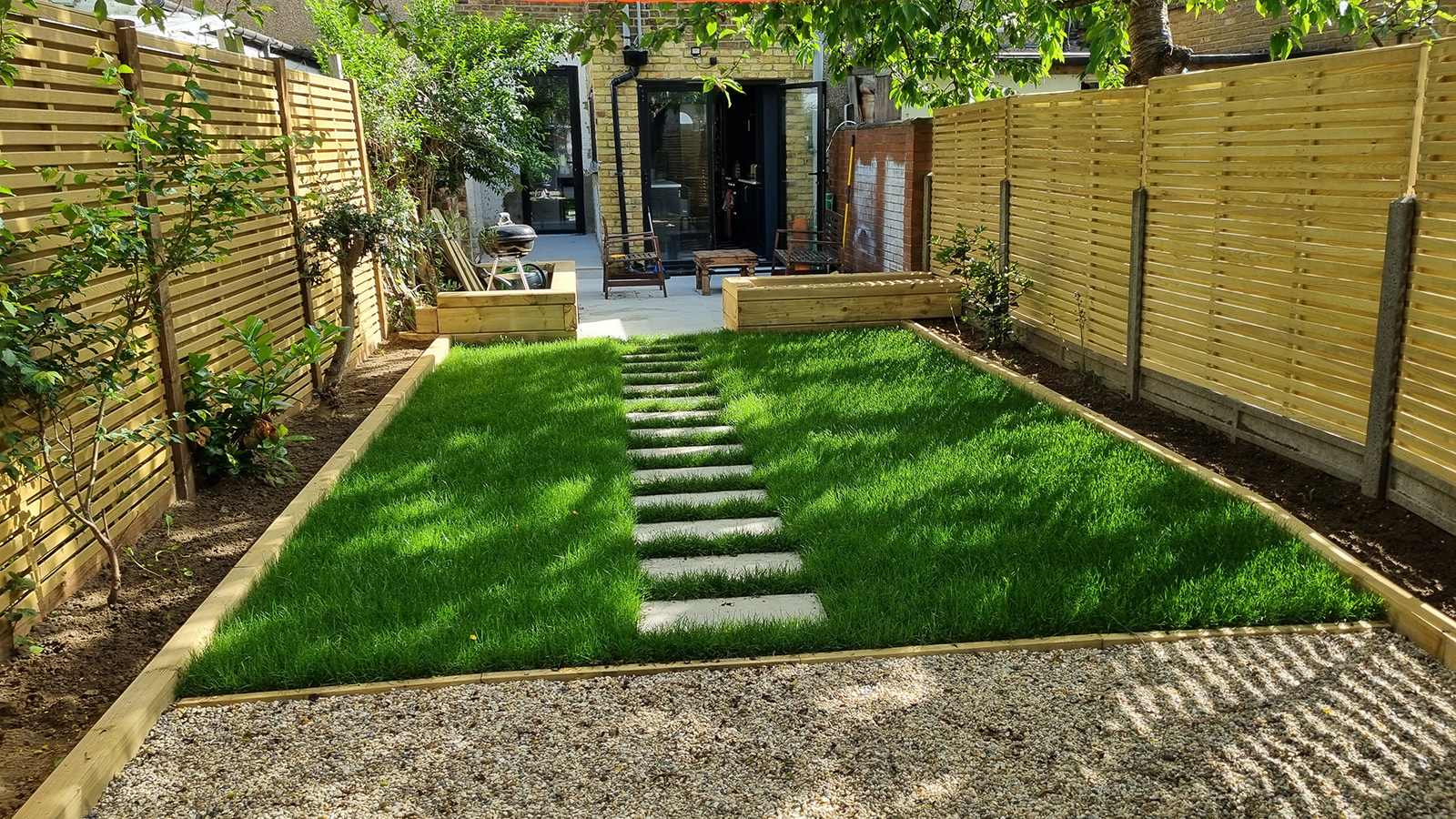
Pathways and Stepping Stones: Guiding the Eye
Create a sense of depth and flow with a winding pathway or strategically placed stepping stones.
Mirrors: Creating Illusions of Depth
Strategically placed mirrors can reflect light and create the illusion of a larger space.
Multifunctional Furniture: Saving Space and Adding Functionality
Opt for furniture that serves multiple purposes, such as benches with built-in storage or foldable tables.
Gardening doesn’t have to be expensive. There are plenty of ways to acquire plants without breaking the bank.
Seed Starting: Growing from Scratch
Starting plants from seeds is the most cost-effective way to expand your garden.
Cuttings and Divisions: Sharing the Greenery
Propagate plants from cuttings or divisions to create new plants for free.
Free Plants and Seed Swaps: Community Spirit
Look for local plant and seed swaps or join online gardening groups to find free plants and seeds.
Foraging and Wildflowers: Embracing Nature’s Bounty
Forage for edible and ornamental plants in your local area (with permission, of course).
Perennials over Annuals: Long-Term Investment
Perennial plants come back year after year, saving you the cost of replacing them annually.
Creating a relaxing and inviting atmosphere doesn’t require expensive decorations.
String Lights and Solar Lanterns: Illuminating the Night
String lights and solar lanterns add a warm and inviting glow to your garden.
DIY Water Features: Tranquil Sounds
Create a simple water feature using a small pump, a container, and some rocks.
Natural Decorations: Embracing Nature’s Beauty
Use natural materials like pinecones, driftwood, and stones to create decorative accents.
Upcycled Furniture and Decor: Giving New Life to Old Items
Repurpose old furniture and decor items to create unique and personalized garden features.
A small garden requires consistent maintenance to keep it looking its best.
Regular Watering: Keeping Plants Hydrated
Water your plants regularly, especially during hot and dry weather.
Weeding and Pruning: Keeping Plants Healthy
Regularly weed your garden to prevent weeds from competing with your plants for nutrients and water.
Mulching: Retaining Moisture and Suppressing Weeds
Apply a layer of mulch around your plants to retain moisture, suppress weeds, and regulate soil temperature.
Pest and Disease Control: Natural Solutions
Use natural pest and disease control methods to avoid harmful chemicals.
By embracing these budget-friendly ideas and techniques, you can transform even the smallest outdoor space into a thriving and beautiful garden. Remember that gardening is a journey, not a destination. Embrace the process, experiment with different plants and layouts, and enjoy the rewards of your hard work.
:max_bytes(150000):strip_icc()/jessicanelsonsubwaytile-722c281ca95548f0a6275bf1f03152f7-a47170a417f44411b720f0b204df427b.jpg?resize=200,135&ssl=1 "Inspiring Bathroom Tub Shower Tile Ideas")


